

Nick Donnelly of Plenary Wealth covers what families should know about village and aged care costs, and why they should start talking well ahead of a move.
Book a 30 minute demo of the Pluss app and Community Manager.
Book a demoAbout this episode
Nick tells Shaun that many families come to him in a crisis, often after a parent has a fall and cannot go home from hospital. He explains why a village with connected aged care involves two separate financial transactions. He also sets out how a granny flat agreement works and where it can go wrong.
Nick Donnelly worked in accounting for many years before moving into financial advice. He focused on retirement village living, permanent aged care, home care and granny flat agreements in 2024. His clients ask how much a move will cost, whether to sell the home, how their Centrelink entitlements will change and what happens to their estate plan.
This episode shares general information. Talk to a licensed financial adviser about your own situation.
Episode guide
- 02:05 Nick's move from accounting into elder advice
- 05:16 Why many families seek help in a crisis
- 08:13 Preparing a parent well ahead of time
- 11:53 Retirement villages and continuum of care
- 18:04 Retirement village contracts and exit fees
- 24:12 How granny flat agreements work
- 35:10 Cost pressure in residential aged care
- 42:14 First steps for families
Key points
Decisions made after a fall
Nick says many families first face these decisions after a parent has a fall and cannot go home from hospital. The parent then moves into respite care, which may not be in a home or area the family would choose. He suggests knowing three or four suitable aged care homes well ahead of time.
From 05:37
Two transactions in one village
Nick says a village with connected aged care still involves two separate financial transactions. A couple usually gets their village entry contribution back only when both partners leave. He says families need to plan where the money for one partner's aged care will come from. A 130-page village contract will probably not ask that question, he warns.
From 15:08
Entry contributions and exit fees
Nick says most people do not move into a retirement village to make money. He has seen entry contributions range from a couple of hundred thousand dollars to $4 million. He says a resident might accept a 35% exit fee if the lifestyle matters more to them than leaving an inheritance. He recommends having the contract reviewed so buyers understand each year's costs.
From 18:37
Care needs and the timing of a move
Nick says rising care needs drive most moves into retirement villages. Someone whose decline points to aged care soon could face a second big move and a significant exit fee within a year or two. He says the level of care needs, and how fast they may rise, should guide the timing.
From 20:28
How granny flat agreements work
Nick explains that a granny flat agreement is a piece of social security law that supports families living across generations. An older person gives money to an adult child, who becomes legally obliged to provide accommodation and care for life. He says Centrelink applies concessions, so the transfer need not count as a gift that reduces the Age Pension. Nick typically encourages the older person to keep a significant cash reserve.
From 24:44
Granny flat contracts and the estate
Nick says money given under a granny flat agreement no longer forms part of the parent's estate. He always works with a lawyer on a legally enforceable contract and wants the whole family in the room. The contract can also require the child to fund all costs if the parent later needs aged care.
From 29:13
Book a 30 minute demo of the Pluss app and Community Manager.
Book a demoQuotes
“I think under pressure is never a great time to be making big decisions.”
Nick Donnelly, 06:38
“Everyone has a very short memory when it comes to the financial decisions made five or 10 years in the past.”
Nick Donnelly, 29:39
“You find three or four in your area, you go in, you talk to the staff, you talk to the residents, you look at the food. Do people look happy?”
Nick Donnelly, 43:08
Questions answered
What is a granny flat agreement?
Nick describes it as a social security arrangement for families who live across generations. An older person gives money to an adult child, often towards a home, and the child must provide accommodation and care for life. The arrangement does not need a separate building in the backyard.
Does a retirement village entry contribution pay for aged care later?
Nick says it does not necessarily. A couple usually gets the contribution back only when both partners leave the village, so the partner who needs aged care may need money from elsewhere.
Do you have to pay a lump sum to enter residential aged care?
Nick says residents can pay a refundable deposit or pay interest on it instead. He put that interest rate at about 8.34% in 2024. He says anyone keeping the lump sum to invest would need to beat that rate.
About the guest
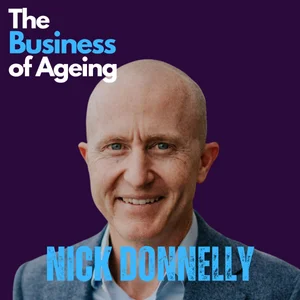
Nick Donnelly is a financial adviser at Plenary Wealth in the Sydney CBD. He specialises in retirement village living, permanent aged care, home care and granny flat agreements, after many years working in accounting.
Read next
Blog post What a village app shows you between the enquiry and the decision
Blog post Patient to citizen: redefining aged care's future
More episodes
Episode 5 Rachel Lane on balancing expectations with reality in aged care and retirement living
Episode 7 Sarah Wright on change management within the seniors living industry
The Business of Ageing All 14 episodes
Pluss Communities makes The Business of Ageing, along with an app for residents and staff software for retirement villages, aged care homes and land lease communities.
Book a 30 minute demo of the Pluss app and Community Manager.
Book a demo