
Sarah Wright of Wright Change Consultants describes how operators can win over staff and residents in a digital rollout, and keep the change going after the project team leaves.
Book a 30 minute demo of the Pluss app and Community Manager.
Book a demoAbout this episode
Sarah tells Shaun that staff often resist digital change more than residents do. She explains how she prepares for a change, manages it and hands it to people inside the organisation who will own it. She also covers working with small budgets and using feedback and usage data after a rollout.
Sarah Wright started in project management and moved into change management after helping her own team through a large organisational change. She has worked on mergers, acquisitions and major programs in banking and finance, and more recently in aged care. She sees the project manager as the person who delivers the project and the change manager as the person who guides people through it.
Episode guide
- 01:42 Sarah's background in change management
- 03:05 What a change manager does
- 05:58 Why people resist change
- 10:47 Steps in a change process
- 15:18 Digital change in seniors living
- 20:13 Winning over residents and staff
- 27:36 Change on a small budget
- 29:07 Keeping change going after the project
Key points
The vision and who a change affects
Sarah says a project manager focuses on when, while change management is about why and who. She starts every change by setting the vision and working out who it affects. She finds people are usually more open to a change once they understand the reason for it.
From 05:40
Change champions and two-way feedback
Sarah says change projects often fail because people were not brought in early enough to make up their own minds. She recruits change sponsors and champions at every level, including the colleagues people already listen to. She also sets up two-way feedback so concerns reach the project team.
From 07:12
Staff resistance to digital change
Sarah found staff were often more resistant than residents during a digital rollout. Some could not see what was broken, and some feared technology would replace them. Many also worried about how residents would cope. Residents who arrived at onboarding sessions scared often left having learned something new.
From 17:58
Phone basics and the resident committee
Sarah says operators should find the real barriers before a rollout. Some residents do not know how to use a mobile phone, so teaching that comes first. She found information sessions, small groups and one-on-one help worked well. Residents look to the resident committee for guidance, so she brings it on side early.
From 20:54
Change on a small budget
Sarah says seniors living programs rarely have the budgets or dedicated staff of banking projects. Staff take on change while doing their day jobs and dealing with residents' emotions. She separates the must-haves from what can wait and relies on champions to share the work.
From 27:36
Ownership after the project ends
Sarah says a project ends, but the organisation has to keep embedding the change. Someone inside the organisation must take ownership before the project team leaves, she says. She builds the change into operating manuals, policies and procedures, and runs regular pulse checks. Organisations must then act on the feedback they collect, she adds.
From 29:47
Book a 30 minute demo of the Pluss app and Community Manager.
Book a demoQuotes
“A project manager is typically about when, but change is about why and who.”
Sarah Wright, 05:40
“These are 80 year olds and I found actually sitting and a lot of hand holding is really key, but making them feel safe as well.”
Sarah Wright, 21:25
“A project always has an end of life. And that's when the project team that is there to support, including the change manager, will leave. But change is all about embedding and reinforcing.”
Sarah Wright, 29:47
Questions answered
What does a change manager do?
Sarah says a change manager looks after the people side of a change. The project manager delivers the project, and the change manager helps leaders guide their people through it.
Should a change manager come from inside or outside the organisation?
Sarah says both can work, and a hybrid often works best on large programs. External consultants bring expertise, and internal people know the culture and the staff.
What makes a good change manager?
Sarah says a change manager needs empathy, strong communication skills and the ability to adapt. She adds exceptional listening, the ability to pivot quickly and an eye for risk.
About the guest
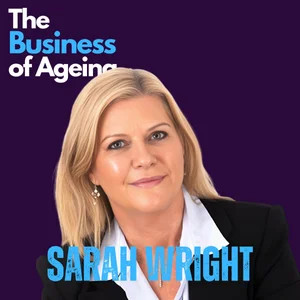
Sarah Wright is Principal of Wright Change Consultants. She began in project management and worked on mergers, acquisitions and large change programs in banking and finance before moving into aged care.
Read next
Blog post Digital confidence in seniors living
Blog post How to get residents using your village app
More episodes
Episode 6 Nick Donnelly on the importance of early planning and family alignment when downsizing
Episode 8 Daniel Gannon on retirement living's role in addressing the aged care crisis
The Business of Ageing All 14 episodes
Pluss Communities makes The Business of Ageing, along with an app for residents and staff software for retirement villages, aged care homes and land lease communities.
Book a 30 minute demo of the Pluss app and Community Manager.
Book a demo